
Landscaping your yard for the first time can quickly become overwhelming. Many new homeowners start planting without a clear plan, only to end up with overcrowded flower beds, unhealthy plants, expensive replacements, and constant maintenance. While it is easy to focus on appearance alone, successful landscaping depends on choosing the right plants, preparing the space properly, and understanding how your yard will change over time.
The good news is that avoiding common beginner landscaping mistakes is possible with the right approach. Whether you are updating your front yard, building new garden beds, or improving curb appeal, a thoughtful landscaping plan can save time, money, and frustration.
At Yardmaster, Inc., we help homeowners create practical, low-maintenance landscapes designed to thrive in the Pacific Northwest climate. If you are just getting started with landscaping, here are the biggest planting pitfalls to avoid.
Starting Landscaping Without a Plan
One of the most common landscaping mistakes beginners make is planting without thinking about the long-term layout of the yard. It is tempting to buy plants based on appearance and place them wherever there is empty space, but this often creates problems later.
Before planting anything, take time to evaluate your property and create a basic landscape plan. Consider:
- Which areas receive full sun or shade
- Drainage and soil conditions
- Existing trees, fences, or structures
- Walkways and traffic patterns
- How much maintenance you want long-term
Even a simple sketch can help you organize plant placement and avoid expensive mistakes. Planning ahead also creates a more balanced and professional-looking landscape.
Choosing Plants That Do Not Match Your Climate
Not every plant will thrive in every environment. Many first-time gardeners purchase plants because they look beautiful at the nursery without considering whether they are suitable for local weather conditions.
Plants that are not adapted to the Pacific Northwest may struggle with excessive moisture, temperature swings, or seasonal changes. This often leads to unhealthy growth, disease, or frequent plant replacement.
When choosing landscaping plants, prioritize:
- Local climate compatibility
- Sunlight requirements
- Mature size
- Water needs
- Seasonal maintenance
Native and climate-appropriate plants are often easier to maintain and require less watering and care over time.
Planting Too Close Together
Overcrowding is one of the biggest issues in beginner landscaping. Small plants from the nursery may seem far apart at first, causing homeowners to plant them closer together for a fuller appearance.
The problem develops as plants mature. Overcrowded landscaping beds restrict airflow, create competition for nutrients, and increase the likelihood of disease and root problems.
Always check the mature height and width of plants before installation. Proper spacing may look sparse initially, but it allows plants to grow naturally and fill the space over time.
Ignoring Soil Quality Before Planting
Healthy landscaping starts with healthy soil. Unfortunately, many homeowners skip soil preparation completely and plant directly into compacted or nutrient-poor ground.
Poor soil conditions can prevent roots from developing properly and limit plant growth. Before planting, it is important to evaluate the condition of the soil and improve it if necessary.
A few important soil preparation steps include:
- Adding compost or organic material
- Improving drainage in wet areas
- Breaking up compacted soil
- Testing soil pH levels
- Removing rocks and debris
Investing time into soil preparation helps landscaping plants establish faster and remain healthier long-term.
Using Too Many Different Plant Varieties
Another common landscaping mistake is using too many unrelated plant types in one yard. While variety can add visual interest, too many colors, textures, and plant styles can make the landscape feel cluttered and difficult to maintain.
A cleaner and more cohesive landscape design usually relies on repeating similar plants throughout the yard. This creates a more organized appearance while simplifying maintenance.
A balanced landscape often includes:
- Foundational shrubs
- Seasonal flowering plants
- Ground cover or mulch beds
- Accent plants for focal points
Keeping the design simple usually creates better long-term results.
Need Help Choosing the Right Landscaping Plants?
Selecting the right plants for your yard can make the difference between a low-maintenance landscape and a frustrating, expensive project. Yardmaster, Inc. helps homeowners design landscapes that fit their property, lifestyle, and long-term maintenance goals.
From plant selection to complete landscape installation, our team can help you create an outdoor space that looks great and grows successfully for years to come.
Contact Yardmaster, Inc. to schedule a landscaping consultation.
Forgetting About Long-Term Maintenance
Some plants require far more maintenance than beginners expect. Without planning ahead, homeowners may end up with landscaping that requires constant trimming, watering, fertilizing, and cleanup.
Before installing new plants, think realistically about how much time you want to spend maintaining your yard.
Consider maintenance factors like:
- Watering frequency
- Pruning requirements
- Seasonal cleanup
- Weed prevention
- Pest management
Low-maintenance landscaping choices can still provide color, texture, and curb appeal without requiring constant attention.
Overwatering New Landscaping Plants
Overwatering is one of the leading causes of plant stress and root damage. Many beginners assume that watering more frequently will help plants grow faster, but excessive moisture can suffocate roots and create fungal problems.
Instead of watering lightly every day, focus on deep watering sessions that encourage stronger root growth.
Helpful watering tips include:
- Water deeply instead of frequently
- Check soil moisture before watering
- Use mulch to retain moisture
- Water during cooler parts of the day
- Adjust watering based on weather conditions
Proper watering habits improve plant health and reduce unnecessary water usage.
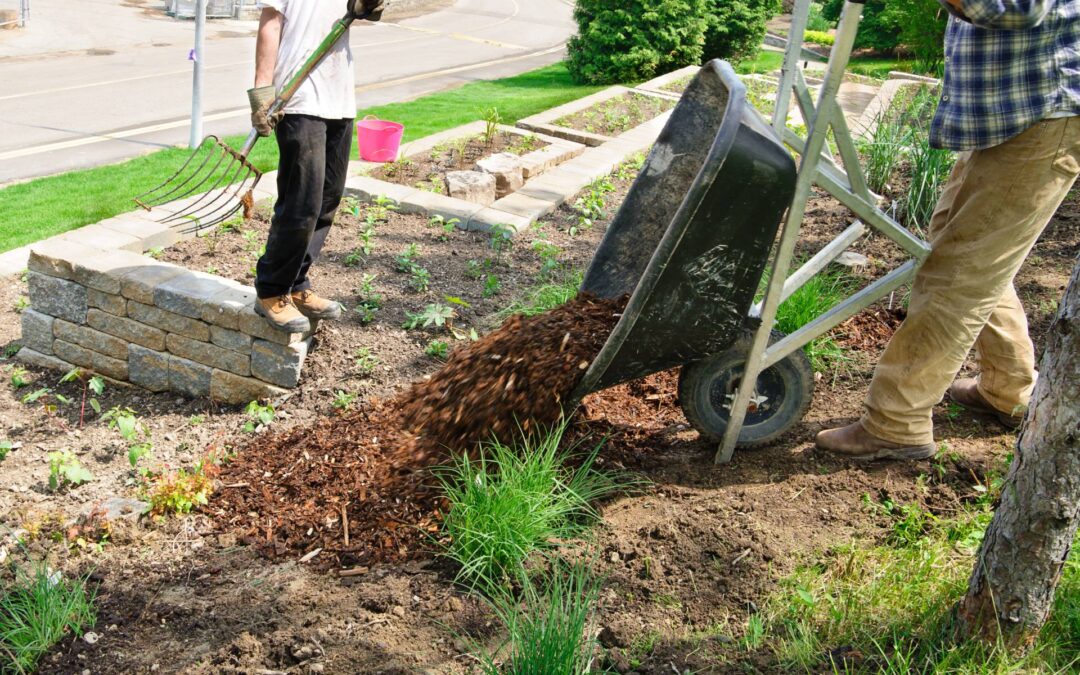
Skipping Mulch Around Plants
Mulch is an important part of healthy landscaping, but many homeowners either skip it entirely or apply it incorrectly.
Proper mulch installation helps:
- Retain soil moisture
- Reduce weed growth
- Regulate soil temperature
- Improve soil health
- Enhance landscape appearance
However, mulch should not be piled directly against tree trunks or plant stems. Applying mulch too deeply can trap moisture and contribute to root problems.
Most landscape beds benefit from about 2 to 3 inches of evenly distributed mulch.
Trying to Complete the Entire Yard at Once
Large landscaping projects can become expensive and difficult to manage when tackled all at once. Many homeowners burn through their budget early or become overwhelmed trying to completely redesign the entire property immediately.
Instead, focus on landscaping in phases. Start with the areas that provide the biggest impact, such as:
- Front entry landscaping
- Foundation planting
- Lawn improvements
- Backyard gathering spaces
Completing landscaping gradually allows you to spread out costs and make adjustments as your yard evolves.
Why Professional Landscaping Can Prevent Costly Mistakes
While DIY landscaping can be rewarding, professional guidance often helps homeowners avoid expensive planting errors and maintenance issues.
Professional landscapers understand:
- Proper plant spacing
- Soil preparation
- Drainage solutions
- Plant compatibility
- Long-term landscape maintenance
At Yardmaster, Inc., we help homeowners throughout King and Snohomish Counties design and maintain healthy landscapes built for long-term success. Whether you need help with planting, landscape design, or ongoing maintenance, our team can help simplify the process.
Ready to Create a Beautiful, Low-Maintenance Landscape?
The right landscaping plan can help you avoid wasted money, unhealthy plants, and constant upkeep. By choosing the right plants, preparing your yard properly, and planning for long-term growth, you can create a landscape that looks great and stays manageable.
Yardmaster, Inc. provides professional landscaping services designed to help homeowners improve curb appeal and maintain healthier outdoor spaces throughout the year.
Contact Yardmaster, Inc. today to schedule a consultation and start planning a landscape that works for your property and lifestyle.