
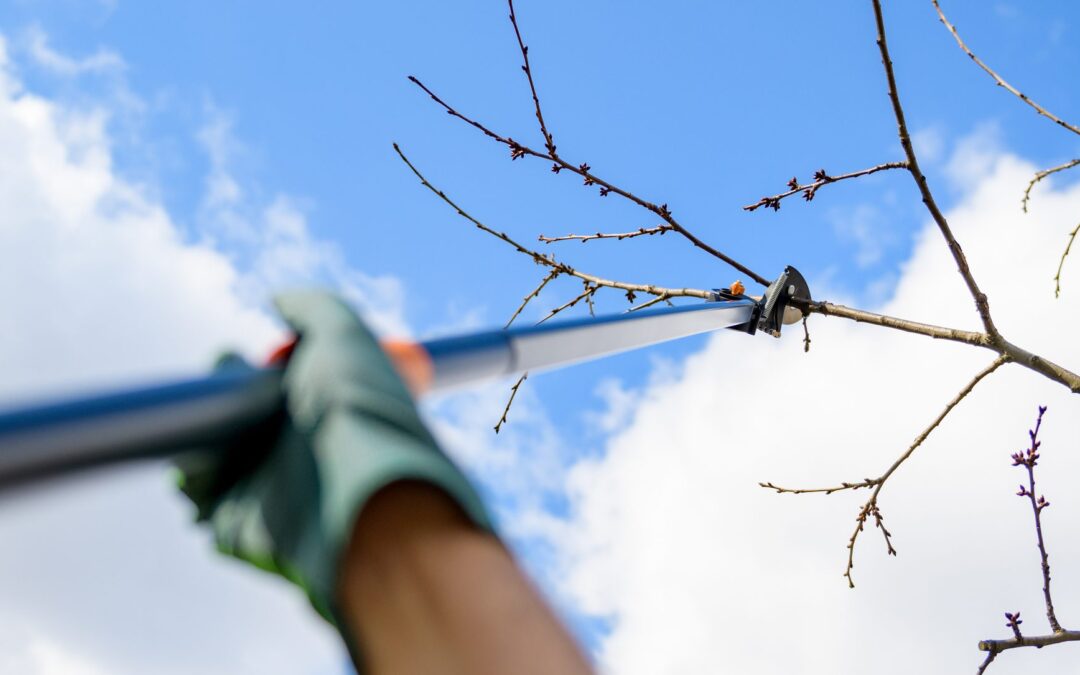
If your trees and shrubs look overgrown after a long growing season, it is tempting to start cutting as soon as the leaves drop. In Western Washington, knowing the best time to prune trees matters as much as the cuts themselves.
Our winters are mild and wet, and plants do not all follow the same calendar. The best time to prune trees here is usually late winter, once the coldest weather has passed and before buds break. When to prune shrubs, fruit trees, roses, and hydrangeas depends on how each plant grows and blooms.
Quick answer: For most deciduous trees, plan on late winter, often January through early March in the Puget Sound lowlands. Prune spring-flowering shrubs right after they bloom. Save cherries, plums, and other stone fruits for dry summer weather. Prune most modern roses in late winter or early spring, as the buds begin to swell.
The Best Time to Prune Trees in Western Washington
Most yards in King and Snohomish Counties have mild, wet winters. In the Puget Sound lowlands, that usually means USDA zones 8 and 9, so plants stay dormant for a shorter stretch than they would in a colder climate.
For most deciduous trees, the dormant season is the right window. After the leaves fall, it is easier to see the structure of the tree, and many pests are less active. As WSU Extension notes, late winter is generally better than early winter, because a hard freeze can damage tissue that a fresh cut has just exposed. Cuts made then also tend to close more quickly once spring growth begins.
That is why winter pruning is so common here, and why Yardmaster schedules most tree pruning in the fall and winter months, when it puts the least stress on the plant.
Dead, damaged, or hazardous branches are an exception. Those can come off at almost any time, especially if they are hanging over a walkway, driveway, or roof.
A Simple Pruning Calendar for Western Washington
Use this as a starting point, then adjust for the plant in front of you. A lilac and a hydrangea may sit in the same bed and still need different timing.
Late Fall and Winter
Once the leaves are down, most deciduous trees are dormant. Late fall is a reasonable time to walk the yard, remove broken limbs, and plan larger cuts. When to prune trees for structure and health is usually late winter, after the coldest stretch and before the buds open.
This is also a good season to keep leaves and debris off beds and lawns so you can see what you are cutting. A thorough fall cleanup makes that much easier.
Avoid heavy pruning in early fall, while plants can still push tender new growth that will not harden off before winter.
Spring
Spring is the time to prune shrubs and trees that bloom early on last year's wood. Lilacs, forsythia, rhododendrons, and many decorative flowering trees set those buds the summer before. If you cut them in winter, you cut off this year's flowers. Wait until the bloom finishes, then prune through early summer.
Spring is also when you can see winter damage clearly, once buds begin to swell or new leaves appear.
Summer, and What to Leave Alone
Summer is useful for light corrective work, such as shortening a branch that hangs too low under the weight of leaves. It is also the safer season for cherries, plums, and other stone fruits, as long as the weather is dry. Leave major cuts on most other trees for late winter.
Want Pruning Handled on a Regular Schedule?
A lot of pruning trouble starts with timing. A shrub gets cut at the wrong moment, a tree waits until the limbs are large and awkward, or the work gets pushed off until a storm makes it urgent.
Yardmaster's Total Yard Care program keeps the whole yard on a year-round schedule, including mowing, edging, weeding, pruning up to 25 feet, and two major leaf cleanups each fall. Other pruning is done as needed, so the work happens when it makes sense for the plant.
How Timing Changes by Plant Type
The calendar above covers most yards. The details below are where homeowners usually have questions.
Best Time to Prune Shade and Ornamental Trees
For maples, oaks, and most other deciduous shade trees, late winter is the standard window. A few species, including maples, birches, and walnuts, may drip sap if you cut them as spring approaches. That "bleeding" looks dramatic, but it is not harmful, and it stops when the leaves emerge.
Shape evergreens in late winter or early spring as well. If a large tree cannot be reached from the ground, is close to power lines, or needs more than a modest thinning, that work belongs with a qualified tree professional.
Thinning or raising lower branches can also let more light onto a shady lawn, which helps if moss has been taking over. Our guide to how to get rid of moss in your lawn explains why that light and airflow matter.
Best Time to Prune Fruit Trees
Prune most fruit trees in late winter, while they are still dormant, to improve structure and keep fruiting wood productive. If you are adding new trees, start with varieties that fit your space. Our post on adding fruit trees to your landscape covers how to choose and place them.
Cherries, plums, and other stone fruits are different. Wet-weather wounds can let in bacterial canker and silver leaf. It is better to prune them in dry summer weather, often after harvest, when cuts heal faster and disease pressure is lower. If winter is the only option, wait for a stretch of dry days rather than cutting during a rainy spell.
Shrubs and Hedges
When to prune shrubs depends on when they bloom.
Prune spring-flowering shrubs, such as lilac, forsythia, mock orange, and many spireas, right after they flower. You can prune shrubs that bloom later on new wood, including butterfly bush, potentilla, and rose of Sharon, in late winter while they are still dormant.
You can tidy hedges through the growing season to keep their shape. Save heavier renovation for late winter or early spring, after the coldest weather. Take out dead, crossing, or damaged wood whenever you find it.
Roses
Prune most hybrid tea, floribunda, and modern shrub roses in late winter or early spring, just as the buds begin to swell. In milder western Washington yards, many gardeners use mid-February, around Presidents' Day, as a rough start date. A more reliable cue is swollen buds, or forsythia coming into bloom, which can run later depending on the year and the yard.
Gardeners often prune climbing roses and some old garden roses that bloom once on old wood after they flower. You can remove dead or damaged canes in late winter on any type.
Hydrangeas
Hydrangeas are easy to prune at the wrong time, and it depends on the type.
Bigleaf hydrangeas, the common mopheads and lacecaps, bloom on old wood. They set next year's flower buds on last year's stems. Prune them after they bloom, and only cut dead flower heads back to a pair of healthy buds. Hard winter cutting can remove the flowers before they ever open. Oakleaf hydrangeas follow a similar rule.
Panicle hydrangeas and smooth hydrangeas, including many "Annabelle" types, bloom on new wood. You can prune those in late winter or early spring to keep them a manageable size.
If you are not sure which kind you have, wait. You can always remove obviously dead stems, and leave the rest until you see how it flowers.
What Yardmaster Prunes, and the 25-Foot Limit
Yardmaster can handle pruning up to 25 feet in height, including fruit trees, hedges, shrubs, and roses, plus shaping, clouding, and thinning. We do most tree pruning in the fall and winter months and handle other pruning as needed.
If a tree is taller than that, close to utility lines, or unsafe to reach from the ground, the work should go to a qualified tree professional. Homeowners should not prune anything within 10 feet of a power line.
Good pruning is also a landscape choice. If a plant needs constant cutting just to fit the space, it may be the wrong plant for the spot. Our landscaping services can help you rethink crowded beds, and seasonal yard cleanup can clear debris so the next round of pruning is easier to see and safer to do.
If you live in Snohomish County, our team also provides landscaping services in Arlington.
Ready for Healthier Trees and Shrubs?
Pruning works best when it happens at the right time, a little at a time, instead of all at once after a problem shows up. If you are unsure when to cut a tree, shrub, or rose in your yard, Yardmaster can help.
Our team provides pruning, lawn care, seasonal cleanups, and full-service yard maintenance for homes throughout Snohomish and King Counties.
Tell us what you have planted and what you are hoping to improve, and we will help you figure out a plan that fits your property.
Frequently Asked Questions About Pruning in Western Washington
When is the best time to prune trees in Western Washington?
For most deciduous trees, late winter is the best time, after the coldest weather and before buds break. In the Puget Sound lowlands, that is often January through early March. Dead or hazardous branches can be removed whenever they are a problem.
When should I prune spring-flowering shrubs?
Prune them right after they finish blooming, through early summer. Lilacs, forsythia, rhododendrons, and many other early bloomers set their flower buds the year before, so a winter cut will take off this year's flowers.
Can I prune cherry or plum trees in winter?
It is safer to wait for dry summer weather, often after harvest. Stone fruits are more vulnerable to bacterial canker and silver leaf when pruning wounds stay wet. If you must prune in winter, choose a dry stretch of weather.
When should I prune roses in the Pacific Northwest?
Prune most modern roses in late winter or early spring, as the buds begin to swell. Mid-February around Presidents' Day is a common local cue, but swollen buds or blooming forsythia are more reliable than a calendar date. Once-blooming climbers are usually pruned after they flower.
Do bigleaf hydrangeas bloom on old wood?
Yes. Bigleaf hydrangeas form next year's flowers on last year's stems, so a hard late-winter pruning can cost you the bloom. Wait until after they flower, and only cut back to a pair of healthy buds. Panicle and smooth hydrangeas bloom on new wood, and you can prune them in late winter.